
Binance Wallet & Exchange Review: Features, Security, and User Experience in 2025
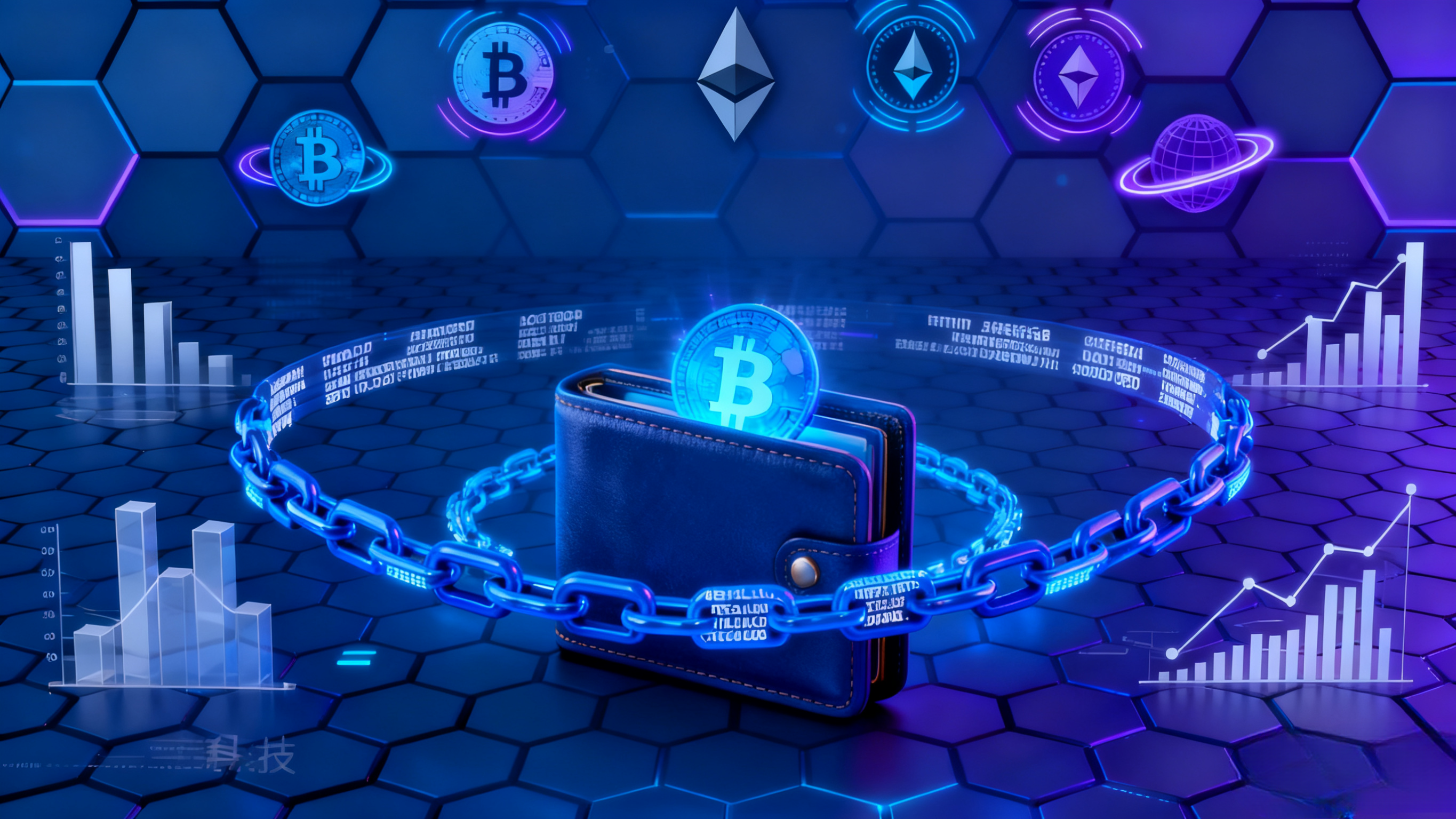
When users search for “Binance Wallet Exchange,” they are often looking for clarity on how the platform’s integrated wallet and trading services work together. Binance is one of the largest cryptocurrency ecosystems in the world, offering both a centralized exchange (CEX) and a self-custodial Web3 wallet. Understanding how these two components interact is essential for anyone considering using the platform for trading, staking, or decentralized finance (DeFi) activities.
The Binance Exchange itself is known for its deep liquidity, extensive list of supported cryptocurrencies, and advanced trading features such as spot trading, futures, margin trading, and staking. It also provides a built-in custodial wallet where users can store funds directly on the exchange. While convenient for active trading, this wallet is not recommended for long-term storage of large amounts due to security risks associated with centralized custody.
In contrast, the Binance Web3 Wallet is a non-custodial browser extension and mobile wallet that gives users full control over their private keys. This wallet allows users to connect to decentralized applications (dApps), trade on decentralized exchanges (DEXs), bridge assets across multiple blockchains, and earn yield through DeFi protocols. It supports multiple networks including Ethereum, BNB Chain, Polygon, Avalanche, and Solana, making it a versatile tool for multi-chain users.
One of the key advantages of using both the Binance Exchange and the Binance Web3 Wallet together is seamless integration. Users can transfer funds between the exchange and the wallet with low fees and fast transaction times. This is particularly useful for traders who want to move assets from centralized trading to decentralized opportunities without leaving the Binance ecosystem.
Security is a major concern for any crypto platform. Binance Exchange employs industry-standard security measures including two-factor authentication (2FA), withdrawal whitelists, and an insurance fund (SAFU) to cover potential losses from breaches. The Binance Web3 Wallet, being non-custodial, requires users to safeguard their own seed phrases and private keys. Binance does not have access to these keys, which means users are fully responsible for their own security.
User experience is another factor that sets Binance apart. The exchange interface is available in a desktop version and a mobile app, both of which are intuitive for beginners but also packed with advanced tools for experienced traders. The Web3 Wallet offers a simple onboarding process, allowing users to create a new wallet or import an existing one using a seed phrase. However, some users may find the wallet’s feature set overwhelming at first due to the wide range of supported dApps and networks.
It is also worth noting that Binance has faced regulatory challenges in several countries, including the United States, the United Kingdom, and Japan. As a result, some features may be restricted based on the user’s location. Before signing up, users should verify whether Binance services are available in their region and comply with local regulations.
In summary, the Binance Wallet and Exchange combination offers a powerful ecosystem for both centralized and decentralized crypto activities. The exchange provides liquidity, speed, and advanced trading tools, while the Web3 wallet opens the door to DeFi and cross-chain interactions. For users who prioritize convenience and versatility, this pairing is one of the most comprehensive options available in 2025. However, those who value full decentralization and regulatory clarity may prefer using separate tools for different purposes. As always, users should conduct their own research and consider their own risk tolerance before committing funds to any platform.

发表评论